Results for business

Getting to Know Solo Batik, a Typical Javanese Batik Type with Global Excellence


Background, Types, and Uses of Solo Batik


A. Background of Solo Batik


Batik is a pictorial cloth that is produced with a certain technique using wax drawn on the cloth, so that the color does not absorb on the part that is coated with wax. Batik itself has been known in Indonesia for a long time, but each region has different characteristics and characteristics.


Batik Solo, or also known as Batik Surakarta, is a traditional Indonesian batik pattern that originates from the city of Solo (Surakarta) in Central Java, Indonesia. Batik Solo is known for its unique style, color, and design, which reflects the local culture and heritage of the Solo region.

The Batik Solo pattern features a wide range of motifs, including geometric patterns, floral designs, and other abstract forms. The patterns are created using the traditional batik process of applying wax to the fabric to create a resist, and then dyeing the fabric in a particular color. The waxed areas resist the dye and remain the original color of the fabric.

Batik Solo is often done in bright and vibrant colors, such as red, blue, and yellow, and is used to create traditional Javanese clothing such as batik sarongs, batik kebaya (blouse), and batik dresses. The pattern has cultural and historical significance in Solo, and it is recognized as one of Indonesia's intangible cultural heritage.

Batik Solo is appreciated for its intricate and detailed design, and it is often used for formal occasions such as weddings, traditional ceremonies, and other important events. The patterns and colors of Batik Solo are unique to the region and reflect the rich cultural heritage of Central Java.


B.Types and Uses of Solo Batik


Solo Batik has unique characteristics and is easy to recognize. Solo batik motifs usually have large sizes with contrasting colors and unique motifs. The type of Solo batik itself consists of several types, such as Sidomukti Batik, Parang Batik, Kembang Goela Batik, Sekar Jagad Batik, and many more.

The use of Solo Batik itself varies greatly, ranging from traditional clothing, casual clothing, to fashion needs. Solo Batik is widely used by the people of Solo and its surroundings, and has even become a regional cultural identity that is rich in art and beauty.


Solo batik is a type of batik typical of Central Java which has its own characteristics and uniqueness. Here are some popular types of Solo batik:
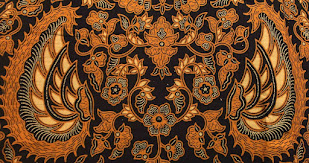
  • Sidomukti batik:Sidomukti batik is a traditional Javanese batik pattern that originates from the city of Solo (also known as Surakarta) in Central Java, Indonesia. The word "Sidomukti" means "always victorious" in Javanese.This batik pattern typically features floral motifs, often in a repetitive geometric arrangement. The motifs are created using the traditional batik process, which involves applying wax to the fabric to create a resist before dyeing the fabric in a particular color. The waxed areas resist the dye and remain the original color of the fabric.Batik Sidomukti is known for its intricate and detailed designs, and it is often used to create elegant batik clothing, such as batik sarongs, batik shirts, and batik dresses. It is a popular choice for formal occasions, such as weddings, as well as for everyday wear. Sidomukti batik is highly valued in Indonesia for its cultural and historical significance, and it is recognized as a UNESCO Intangible Cultural Heritage of Humanity.

  • Batik Parang:Parang batik is another traditional Javanese batik pattern that originates from the city of Solo in Central Java, Indonesia. The word "Parang" means "knife" in Javanese, which refers to the sharp angles and diagonal lines that make up the pattern. The Batik Parang pattern consists of diagonal rows of repeating "s" or "z" shapes, which are created using the traditional batik process of applying wax to the fabric before dyeing it. The pattern is often done in shades of blue, brown and white, but can also be found in other colors.The Batik Parang pattern has deep cultural and spiritual significance in Javanese culture. It is believed to have been inspired by the waves of the ocean, which symbolize the continuous flow of life. In Javanese tradition, the pattern is also associated with protection, strength and good luck. Batik Parang is often used for special occasions such as weddings, and it is also used to make traditional Javanese clothing such as batik sarongs, batik shirts and batik dresses.
  • Batik Sekar Jagad:Batik Sekar Jagad is a traditional Javanese batik pattern that originates from the city of Yogyakarta in Central Java, Indonesia. The name "Sekar Jagad" means "flowers of the universe" in Javanese, which reflects the pattern's floral motifs that represent the beauty of the natural world.The Batik Sekar Jagad pattern features a symmetrical and repetitive design of flowers, leaves, and vines, often arranged in circular or diamond-shaped patterns. The pattern is created using the traditional batik process of applying wax to the fabric to create a resist, and then dyeing the fabric in a particular color. The waxed areas resist the dye and remain the original color of the fabric.Batik Sekar Jagad is often done in bright and vibrant colors, such as red, yellow, blue and green, and is used to create traditional Javanese clothing such as batik sarongs, batik kebaya (blouse), and batik dresses. The pattern has deep cultural and spiritual significance in the Javanese tradition, representing beauty, harmony and balance in nature. Today, Batik Sekar Jagad is appreciated for its intricate and detailed design and is recognized as one of Indonesia's intangible cultural heritage.
  • kembang goela Batik:Batik Kembang Gulo (sometimes spelled "Kembang Gulung") is a traditional Javanese batik pattern that originates from the city of Pekalongan in Central Java, Indonesia. The name "Kembang Gulo" means "sugar flower" in the local Javanese language, which reflects the pattern's sweet and charming floral motifs.In Javanese tradition, Kembang Gulo Batik is often associated with fertility, prosperity and harmony. The pattern features a repeating design of flowers, leaves, and vines, often arranged in a symmetrical pattern. The floral motifs are believed to represent the beauty of nature and the abundance of blessings from the universe.Kembang Gulo batik is often done in bright and vibrant colors, such as red, blue and yellow, and is used to create traditional Javanese clothing such as batik sarongs, batik kebaya (blouse), and batik dresses. The pattern is highly valued for its beauty and cultural significance, and it is recognized as one of Indonesia's intangible cultural heritage. Today, Batik Kembang Gulo is appreciated for its intricate and detailed design and is a popular choice for both traditional and modern fashion.
  • Sogan batik:Batik Sogan is a traditional Javanese batik pattern that originates from the city of Solo in Central Java, Indonesia. The name "Sogan" comes from the Javanese word for the bark of the Soga tree, which is used to produce a reddish-brown dye that is often used in creating this type of batik.The Batik Sogan pattern features a repeating design of abstract shapes and patterns, often arranged in a symmetrical pattern. The pattern is created using the traditional batik process of applying wax to the fabric to create a resist, and then dyeing the fabric in a particular color. The waxed areas resist the dye and remain the original color of the fabric.Batik Sogan is typically done in shades of brown, black and white, and is used to create traditional Javanese clothing such as batik sarongs, batik shirts and batik dresses. The pattern has cultural and historical significance in Solo, and it is recognized as one of Indonesia's intangible cultural heritage.Batik Sogan is appreciated for its simple yet elegant design, and it is often used for formal occasions such as weddings and other ceremonies. The use of the Soga tree bark dye gives the batik a unique and distinctive color, and the intricate patterns create a timeless and classic look.


Those are some types of Solo batik that are popular and have unique characteristics. Each type of Solo batik has its own meaning and philosophy that enriches Indonesian cultural values.


C. The Advantages of Solo Batik in the Eyes of Society and the World


Solo Batik has worldwide advantages, one of which is its high quality and unique characteristics. Batik Solo is also the choice for famous designers and fashion designers to produce exclusive fashion products. In addition, Solo batik has also received world recognition through UNESCO's listing as Indonesia's intangible cultural heritage in 2009.


D. Conclusion 


Solo Batik is a type of Javanese batik with unique characteristics and worldwide excellence. Solo batik cloth has a variety of interesting motifs and patterns, so it is often used as traditional clothing, casual clothing, and fashion. With UNESCO recognition as Indonesia's intangible cultural heritage, Solo batik is increasingly getting world attention as one of Indonesia's cultural assets that should be protected and preserved.

ARIF BLOG 1:36 PM
Read more ...

Batik as a treasure of Indonesian culture lives on for centuries. At that time, tie-dye was one of the basic garments.To date, tie-dye is still growing and becoming a social trend.However, in the traditional setting of the Yogyakarta royal palace, tie-dye fabrics are worn There are still proper manners and procedures to follow.


According to Carik Kawedanan Radya Kartiyasa Keraton Jogja Nyi R Ry Noorsundari, the use of tie-dye in the Yogyakarta Palace is adjusted according to a person's social status, occurrence, age and status. As we age, our use of tie-dye fabrics is constantly changing.


“Battik dyeing expresses social status in the box itself. There are various ways to use tie-dyeing depending on age and position. Get to know Keraton Batik, full of spirit. ”Norsundari also gave an example. Many children now dress up in tie-dye and wear buns.In his opinion, buns can only be used if they are girls or adults, so the use of buns themselves should not be used for children. . Additionally, using flowers in bread signifies a person's marital status. "When you enter puberty, you can wear a bun and see a bun. If there are no flowers, it means you are not married. Only married people use flowers." Nur Sundari said.


Next, how to wear a girl's tie dye with the word wallel belt. The fabric uses a fabric that is not too cold just by twisting it. This is so that children can continue walking and playing. "Children's names run and play, so it's not like the cloth is usually covered with wire," Noorsundari said. When a woman enters puberty, the pagoda is allowed to use her model. Finally, you can use the tank top as a matching dress until the wedding stage. For boys, there is not much difference from girls, but the difference is the direction of the fabric. In general, clockwise for women and counterclockwise for men.


"For males, the name is almost the same as Missed. The direction of rotation that distinguishes is mostly upper right for males and upper left for females. Counterclockwise for males and clockwise for females," Noorsundari said.After the boy hits puberty, a fabric model is sewn in. Some accompanying clothing items such as blangkon and keris can also be used. When we talk about batik, we cannot escape the motifs involved, so there are some motifs that cannot be used in general from the point of view of etiquette and usage. this is a royal prerogative


"Speaking of tie-dye, there is also talk of motifs. There are some tie-dye motifs that cannot be universally used because of the prerogative of the Sultan as king," said Noorsundari. especially those with high philosophical value, are declared forbidden in batik. Batiks exiled in Yogyakarta Palace include Palang Damaged Barong, Palang Damaged Gendre, Palang Krisik, Semen Gede Sawat Gulda, Semen Gede Sawat Lal, Udang Lilith, Rujak Sente, Palang Palangan, Semkiran, Kaung, Huk It is included. 


ARIF BLOG 5:16 PM
Read more ...

The Kris Semar Mesem is a traditional Indonesian dagger originating from the Javanese and Sundanese communities. It is considered a sacred weapon and is associated with the god Semar, who is considered the patron saint of the Javanese people. The Kris Semar Mesem is not just a weapon, but it is also a symbol of prestige, cultural heritage, and spiritual power.


The Kris Semar Mesem has a unique and distinctive appearance, with a wavy blade that is wider at the base and tapers to a point. The blade is typically between 30-60 centimeters in length and is


made of a type of iron called “pamor” that is believed to have been blessed by spiritual leaders. The blade is often decorated with intricate patterns, and the hilt is made of a variety of materials, including wood, bone, or ivory.

The Kris Semar Mesem is considered a sacred weapon because it is believed to contain spiritual energy and to be capable of performing miracles. It is said that the power of the weapon depends on the quality of the blade, the materials used in the hilt, and the skill of the person wielding it. The weapon is also believed to have the power to protect its owner from harm and to bring good luck and prosperity.


In traditional Javanese society, the Kris Semar Mesem was often given as a gift to honor and respect an individual. It was also used as a symbol of authority and power, and was often worn by leaders and warriors. The weapon was also used in traditional ceremonies and rituals, and it was often placed on the grave of a deceased person to protect them in the afterlife.


The production of the Kris Semar Mesem is a highly skilled process that involves forging, tempering, and decorating the blade. The process typically takes several months and is performed by skilled blacksmiths called “empu”. The blacksmiths use traditional techniques and materials, and they must follow strict protocols and rituals in order to produce a weapon that is considered to be powerful and sacred.


In recent years, the use of the Kris Semar Mesem has declined, and it is now primarily used in traditional ceremonies and festivals. However, it remains an important part of Indonesian cultural heritage, and it is still highly prized by collectors and enthusiasts.


In conclusion, the Kris Semar Mesem is a traditional Indonesian dagger that is steeped in spiritual significance and cultural heritage. It is considered a powerful and sacred weapon, and it is a symbol of prestige and authority. The intricate craftsmanship and traditional techniques used in the production of the Kris Semar Mesem make it a unique and valuable cultural artifact, and it serves as a reminder of the rich cultural heritage of the Javanese and Sundanese communities.

ARIF BLOG 12:39 PM
Read more ...

The Keris Nogososro is a traditional Indonesian dagger originating from the Solo region of Central Java. It is considered a sacred and powerful weapon, and is believed to possess spiritual qualities and magical powers. The Keris Nogososro is not just a weapon, but it is also a symbol of prestige and cultural heritage, and it is often passed down from generation to generation as a family heirloom.


The Keris Nogososro has a unique and distinctive appearance, with a blade that is wider at the base and tapers to a point. The blade is typically between 30-60 centimeters in length and is made of a type of iron called “pamor” that is believed to have been blessed by spiritual leaders. The blade is often decorated with intricate patterns, and the hilt is made of a variety of materials, including wood, bone, or ivory.


The Keris Nogososro is considered a sacred weapon because it is believed to contain spiritual energy and to be capable of performing miracles. It is said that the power of the weapon depends on the quality of the blade, the materials used in the hilt, and the skill of the person wielding it. The weapon is also believed to have the power to protect its owner from harm and to bring good luck and prosperity.


Related articles Lesung is a traditional tool in rice processing

Articles related to the history of keris in Indonesia culturally


In traditional Javanese society, the Keris Nogososro was often given as a gift to honor and respect an individual. It was also used as a symbol of authority and power, and was often worn by leaders and warriors. The weapon was also used in traditional ceremonies and rituals, and it was often placed on the grave of a deceased person to protect them in the afterlife.


The production of the Keris Nogososro is a highly skilled process that involves forging, tempering, and decorating the blade. The process typically takes several months and is performed by skilled blacksmiths called “empu”. The blacksmiths use traditional techniques and materials, and they must follow strict protocols and rituals in order to produce a weapon that is considered to be powerful and sacred.

In recent years, the use of the Keris Nogososro has declined, and it is now primarily used in traditional ceremonies and festivals. However, it remains an important part of Indonesian cultural heritage, and it is still highly prized by collectors and enthusiasts.


In conclusion, the Keris Nogososro is a traditional Indonesian dagger that is steeped in spiritual significance and cultural heritage. It is considered a powerful and sacred weapon, and it is a symbol of prestige and authority. The intricate craftsmanship and traditional techniques used in the production of the Keris Nogososro make it a unique and valuable cultural artifact, and it serves as a reminder of the rich cultural heritage of the Indonesian people.

ARIF BLOG 12:30 PM
Read more ...


Lesung is a traditional tool used in rice processing by communities in Southeast Asia, particularly in Indonesia and Malaysia. It is a large, flat, circular stone that is used to pound or pound and winnow rice. Lesung is an essential tool in the traditional process of preparing rice for consumption, and it has a significant cultural and social importance in these communities.


Lesung is typically made of stone, such as granite or basalt, and it is designed to be sturdy and durable. The size of lesung can vary, but it is usually around 1-2 meters in diameter and 30-40 centimeters in height. Lesung is used in conjunction with a wooden or bamboo pestle, which is called a “batu giling” in Indonesia and a “batu lesung” in Malaysia.


The traditional process of rice processing using lesung begins with the harvest of the rice plants. The harvested rice is threshed to remove the grains from the stalks and then cleaned to remove any debris or impurities. The cleaned rice is then poured onto the lesung and pounded with the pestle to remove the husk and chaff from the grain. This process is called “menguli” in Indonesia and “memukul” in Malaysia.

After pounding, the grain and husk are separated using a winnowing basket, a process called


ARIF BLOG 11:59 AM
Read more ...

The Dayak people are indigenous communities living in the interior of Borneo, an island in Southeast Asia. They have a rich cultural heritage, and one of their traditional customs involves the use of pig chains.

Pig chains, also known as “tambi”, were an important symbol of wealth and status among the Dayak communities. They were made from iron or brass and were worn around the waist like a belt. The chains were decorated with intricate designs, and the length and weight of the chains signified the wealth and status of the wearer.


In the past, the Dayak people practiced a traditional form of agriculture known as “swidden”, or slash-and-burn, in which they would clear a patch of forest to grow crops. Pigs were one of the most important livestock raised by the Dayak people and were used in many traditional rituals. The pigs were considered to be a symbol of wealth and prosperity, and owning many pigs was a sign of wealth and status.


The Dayak people also believed that pigs had magical powers, and they were often used as a form of currency in traditional exchanges. When a Dayak person wanted to buy a wife or arrange a marriage, they would offer pigs as a form of payment. The number of pigs offered was often proportional to the wealth and status of the person making the offer.


The pig chains were often given as gifts to show appreciation and respect, and they were also used to repay debts. They were also used in traditional rituals, such as the “Ibanngit” ceremony, which was a celebration of a successful harvest. During the ceremony, the pig chains were displayed and danced around to the beat of gongs and drums.


The production of pig chains was a highly skilled process, and the chains were made by blacksmiths using traditional techniques passed down from generation to generation. The blacksmiths were highly respected members of the Dayak communities, and they were often commissioned to make pig chains for important events and ceremonies.


In recent years, the use of pig chains has declined among the Dayak people, as they have become less common in daily life. However, they remain an important part of Dayak cultural heritage, and many Dayak people still treasure the pig chains passed down to them from their ancestors.


In conclusion, the Dayak pig chain is a symbol of wealth, status, and cultural heritage for the Dayak people of Borneo. The intricate design and craftsmanship of the chains reflect the importance of pigs in Dayak culture and the belief in their magical powers. The pig chains serve as a reminder of the rich cultural heritage of the Dayak people and their traditional customs and beliefs.


ARIF BLOG 11:46 AM
Read more ...


The Yogyakarta Palace, also known as the Kraton Ngayogyakarta Hadiningrat, is a palace in the city of Yogyakarta, Central Java, Indonesia. It is the seat of the Sultan of Yogyakarta, who is the hereditary ruler of the Yogyakarta Sultanate and a key figure in Indonesian culture and politics. The palace is also one of the most important cultural and historical landmarks in Indonesia, and is a major tourist attraction in the country.


The origins of the Yogyakarta Palace can be traced back to the 18th century, when the Sultanate of Mataram was established in the region. The first palace in Yogyakarta was built by Sultan Hamengkubuwono I in 1755, and was located in the northern part of the city. Over time, the palace underwent several renovations and expansions, reflecting the changing political and cultural landscape of the region.


One of the most significant events in the history of the Yogyakarta Palace occurred in the late 18th century, when the Sultanate of Mataram split into two separate sultanates: Yogyakarta and Surakarta. The Yogyakarta Sultanate became the center of Javanese culture and politics, and the Yogyakarta Palace became the center of the Sultan's power.


During the colonial period, the Yogyakarta Palace underwent significant changes, as the Dutch sought to exert greater control over the region. The palace was occupied by Dutch troops, and the Sultan's powers were greatly reduced. However, the palace remained an important cultural center, and the Sultan continued to play a key role in the preservation of Javanese culture and traditions.


In the post-independence era, the Yogyakarta Palace regained its importance as the center of the Sultan's power and as a symbol of Indonesian independence. The palace was extensively renovated, and the Sultan's powers were restored. Today, the Yogyakarta Palace is a major cultural and political institution in Indonesia, and continues to play a significant role in the country's cultural and political life.


The Yogyakarta Palace is known for its elaborate and beautiful architecture, which reflects the Javanese cultural and religious traditions. The palace is divided into several different sections, each with its own unique character and purpose. The central section of the palace is the Keraton, which is the heart of the palace and the main residence of the Sultan. This section of the palace is surrounded by an inner courtyard, which is surrounded by several smaller courtyards and buildings.


One of the most important buildings in the Yogyakarta Palace is the Pendopo, which is used for important ceremonies and events. The Pendopo is a large open-air building, which is supported by columns and features a beautiful roof made of teak wood. The Pendopo is used for a wide range of events, from weddings and religious ceremonies to state banquets and political meetings.


Another important building in the Yogyakarta Palace is the Taman Sari, which is a beautiful garden that was built by Sultan Hamengkubuwono I in the 18th century. The Taman Sari is a peaceful and relaxing place, which is filled with beautiful flowers, trees, and ponds. The garden is also home to several historic buildings, including the Royal Baths, which were used by the Sultan and his family for bathing and relaxation.


The Yogyakarta Palace is also home to a number of museums, which showcase the rich cultural heritage of the Javanese people. The museums display a wide range of artifacts, including traditional weapons, jewelry, textiles, and musical instruments. The museums

ARIF BLOG 9:45 AM
Read more ...

The Yogyakarta Palace Golden Train is a ceremonial procession used by the Sultan of Yogyakarta, one of the few remaining traditional monarchies in Indonesia. 


The train, which is comprised of a series of luxurious carriages and is richly decorated with gold, is used to carry the Sultan and his entourage during important religious and cultural events.


The history of the Yogyakarta Palace Golden Train can be traced back to the mid-19th century, during the reign of Sultan Hamengkubuwono III. At that time, the Sultan saw the need to modernize the transportation used by the royal court and commissioned the creation of a series of carriages that would be used for ceremonial purposes.


The carriages were designed and built by local craftsmen using traditional techniques, and were heavily decorated with gold, silver, and precious stones. The train quickly became an important symbol of the Sultan's power and prestige, and was used to great effect in ceremonial processions throughout the kingdom.


Over the years, the Yogyakarta Palace Golden Train has undergone numerous renovations and upgrades, with new carriages added and existing ones modified to reflect the changing needs of the royal court. Despite these changes, however, the train has remained an important symbol of the Sultanate, and is widely regarded as one of the most magnificent and historically significant cultural treasures in Indonesia.


The Yogyakarta Palace Golden Train is used during a variety of important events and festivals, including religious ceremonies, weddings, and state visits. During these events, the train is typically accompanied by a procession of musicians, dancers, and other performers, creating a spectacular display of color, sound, and movement.


One of the most significant uses of the Yogyakarta Palace Golden Train is during the celebration of the Sultan's birthday, which takes place each year on the 10th of June. During this event, the train is used to carry the Sultan and his entourage through the streets of Yogyakarta, accompanied by a procession of musicians and dancers.


Another important event during which the Yogyakarta Palace Golden Train is used is the commemoration of the sultan's coronation, which takes place every seven years. During this event, the train is used to carry the Sultan and his family to the nearby Prambanan Temple, where they participate in a series of religious ceremonies.


The Yogyakarta Palace Golden Train is also used for more practical purposes, such as transporting the Sultan to and from important meetings and diplomatic events. Despite its ceremonial role, however, the train remains an important symbol of the Sultan's power and prestige, and is widely respected and admired by the people of Yogyakarta.


Over the years, the Yogyakarta Palace Golden Train has faced numerous challenges, including the threat of theft and damage from natural disasters such as earthquakes and floods. Despite these challenges, however, the train has remained a cherished cultural treasure, and continues to be used and cherished by the people of Yogyakarta.


In recent years, there has been a growing interest in preserving and promoting the Yogyakarta Palace Golden Train, both within Indonesia and internationally. Many museums and cultural centers now showcase collections of the train, and exhibitions and festivals dedicated to the art and culture of Yogyakarta are held regularly in Indonesia and around the world.


In conclusion, the Yogyakarta Palace Golden Train is an important part of Indonesia's cultural heritage, reflecting the rich traditions and artistic ingenuity of the people of Yogyakarta. Whether viewed as a symbol of power and prestige or a work of art, the Yogyakarta Palace Golden Train remains an enduring legacy of Indonesian culture and a testament to the importance of

ARIF BLOG 9:33 AM
Read more ...

The Joglo house is a traditional Indonesian architectural style originating from the Javanese people of Central Java. Joglo houses are known for their large and spacious main halls, or "ruang utama," which are supported by tall, carved wooden pillars. The style is characterized by its intricate wooden carvings, soaring rooflines, and use of natural materials such as teak wood and thatched roofs.


Historical joglo type articles

Old Joglo house style with sacred carvings


The origins of the Joglo house can be traced back to the Mataram Kingdom of Central Java, which flourished between the 16th and 18th centuries. During this period, Javanese nobles and royalty built large, elaborate homes, many of which were designed in the Joglo style. These homes reflected the prosperity and cultural sophistication of the kingdom, and were designed to showcase the wealth and status of their owners.


Joglo houses were not just a symbol of prestige and wealth, but also played an important role in Javanese culture and daily life. The large main hall was used for communal gatherings and ceremonies, such as weddings, religious celebrations, and other important events. The intricate carvings and decorations on the columns and rooflines were also believed to hold spiritual significance, imbuing the house with a sense of protection and good fortune.


One of the most distinctive features of the Joglo house is its large, open-air central hall. This central space is often surrounded by smaller rooms and balconies, creating a sense of flow and connection between the interior and exterior of the home. The roof is supported by tall wooden pillars, which are often carved with intricate designs and patterns.


Joglo houses were traditionally constructed using locally-sourced materials, such as teak wood for the columns and roof, and bamboo for the walls and flooring. This use of natural materials helped to create a sense of connection to the surrounding environment and to local building traditions. The roofs were also typically thatched with local grasses, which provided insulation and helped to keep the interior cool in the tropical climate.


Despite its popularity, the Joglo style faced challenges during the colonial period, when many traditional homes were destroyed or modified to conform to Western architectural styles. However, in the post-independence era, there was a resurgence of interest in traditional Javanese architecture, and many Joglo houses were restored or rebuilt.


Today, the Joglo house continues to be an important part of Javanese cultural heritage, with many examples still standing in villages and cities across Java. The style is also being revived in contemporary architecture, with many modern homes incorporating elements of the Joglo design in their construction.


In addition to its cultural significance, the Joglo house is also recognized for its environmental sustainability. The use of natural materials and traditional building techniques helps to reduce energy consumption and minimize the environmental impact of the building. This makes the Joglo house a model for sustainable architecture and a symbol of the enduring importance of traditional building practices.


In recent years, there has been a growing interest in preserving and promoting the Joglo style among tourists and visitors to Indonesia. Many Joglo houses have been converted into museums, hotels, and cultural centers, allowing visitors to experience the beauty and cultural significance of the Joglo style.


In conclusion, the Joglo house is an important part of Javanese cultural heritage, reflecting the richness of the island's architectural traditions and the ingenuity of its people. Whether viewed as a symbol of prestige and wealth or a model for sustainable architecture, the Joglo house remains an enduring legacy of Indonesian culture and a testament to the importance of preserving traditional building practices

ARIF BLOG 9:13 AM
Read more ...

The Indonesian keris is a traditional dagger originating from the Indonesian archipelago. It has a long and rich history, with evidence of its use dating back to the 9th century. The keris was not only used as a weapon but also as a symbol of prestige, power, and cultural identity among Indonesian communities. The blade's unique wavy shape and intricate hilt decorations were believed to hold magical powers and were often passed down from generation to generation.


The origin of the keris remains a subject of debate among scholars and enthusiasts, with some suggesting that the weapon originated in India and spread to Southeast Asia through trade and migration. Others argue that the keris is indigenous to the Indonesian archipelago, with the earliest examples having evolved from simple iron daggers used by early Austronesian communities.


Regardless of its origin, the keris played an important role in Indonesian history and culture, appearing in many of the island nation's myths, legends, and historical accounts. It was often used as a symbol of prestige and power, with rulers and nobles commissioning elaborate and ornate examples to showcase their wealth and status.


The art of keris-making also developed into a highly specialized skill, with many regions of Indonesia producing their own distinct styles. Some of the most famous keris-making centers include Central Java, Bali, Sumatra, and West Java, each with their own unique techniques, materials, and designs.

One of the most distinctive features of the Indonesian keris is its wavy blade, which is thought to symbolize the ocean and the life-giving force of water. The blade's unique shape was also believed to hold magical powers, making the keris a powerful talisman as well as a weapon. The hilt of the keris was also often decorated with intricate carvings, inlaid with precious materials, or wrapped in precious metals, further enhancing its value and prestige.


The keris was not only used as a weapon but also as an important part of Indonesian dance, art, and literature. It appeared in traditional dances such as the Javanese Kethuk-Kethuk and the Balinese Barong, where it was used to symbolize power, grace, and protection. It was also depicted in traditional Indonesian paintings and sculptures, further cementing its place in the country's cultural heritage.


In addition to its cultural significance, the Indonesian keris also played a role in the country's political and military history. It was often carried into battle by Indonesian warriors and was used to settle disputes and defend the kingdom. The keris was also considered a powerful talisman, providing its bearer with protection, strength, and the ability to overcome adversity.


Despite its rich history and cultural significance, the keris faced challenges during the colonial period, when the Dutch attempted to ban the weapon in order to exert control over the Indonesian population. However, the keris continued to be passed down from generation to generation, preserving the rich cultural heritage and traditions of the Indonesian people.


Today, the Indonesian keris remains an important part of the country's cultural heritage, with many enthusiasts and collectors around the world seeking out authentic examples. It is also still produced by traditional keris-makers, who continue to carry on the skills and traditions of their forebears.


In conclusion, the Indonesian keris is a remarkable weapon and cultural artifact, embodying the rich history, traditions, and beliefs of the Indonesian people. Whether used as a weapon, a symbol of prestige, or a cultural artifact, the keris remains an enduring symbol of Indonesian culture, reflecting the country's rich heritage and enduring traditions

ARIF BLOG 9:04 AM
Read more ...
this time I will give you posting about household products charming handicraft products from raw materials very simple but faforit when they process into a masterpiece.

history
Hyacinth or water hyacinth (Latin: Eichhornia crassipes) is one type of aquatic plants float. Besides known as water hyacinth, in several regions in Indonesia, the water hyacinth has another name, such as in the area of ​​Palembang known Kelipuk, in Lampung known Ringgak, in Dayak known Ilung-Ilung, in Manado known Tumpe. 
Water hyacinth was first discovered accidentally by a scientist named Carl Friedrich Philipp von Martius, a botanist German in 1824 while on an expedition in the Amazon River Brazil. [2] hyacinth has a growth rate high enough to plant this is considered as weeds that can damage the aquatic environment. Hyacinth easily spread through the water supply to other water bodies.

Water hyacinth floating in the water of life and sometimes rooted in the soil. It was about 0.4 to 0.8 meters. Not having a rod. The leaves single oval. Tapered tip and base, base of the petiole bubble. Surface slippery and green leaves. The flowers including compound interest, shaped grains, tubular petals. The seeds are round and black. The fruit boxes and bears three green


handycrafts
This sofa is an excellent craft oaleh hands that have tenacity in processing an item is useless becomes a work that is very beautiful and can be used as seating. may previously only a tnaman who only make a dirty pool. but after this water hyacinth plants in the dry and in knitting into a chair be seem beautiful, to sit and even to be sold as handicrafts are very intersting.

size
for this model of sofa set mmpunyai minimal size. not only made for chairs, sofas, but by the hands keratif this rubbish created such and processed into a work that is very encouraging.
ARIF BLOG 4:10 AM
Read more ...
antique lamps whiz

this time I will give information about antique lamps champion . This whiz lights have value characteristics and charm . with colors and shapes are very charming . seems still nice to be installed as a home decoration very antique and unique . This antique rooster lamp has its own artistic value of the size and the decoration cover on the lamp . with a very beautiful design style that marked the year of manufacture and signifies a work that is very interesting for the collection and made ​​as a home decoration .


Jago lights present in Java was taken by Japan so roughly the 40s . Named for the iron rooster lamp pengaet motive hood and oil expert. These lights are very strong character and a very popular and sought after that it is now increasingly rare and hard to find . Very artistic and unique to every room . accenting simple
ARIF BLOG 9:46 PM
Read more ...
 Carved antique desk chair Relief/antique desk furniture chairs A rare collection : three -dimensional carved desk . A relief piece tells the story of Rama and Sinta.Sangat suitable for collectors who want exclusivity . Also suitable used as a gift or a gift or souvenir for the special relationship . These tables are very popular with collectors antique table throughout Indonesia . table engraved rama and Sinta is indeed very rare and are made with a very painstaking carving . to get a table is very scramble with the collectors of antique table table in the world . thus the value of this very charming antique table with carved rama and shinta make this table very charming . carved antique table has a 3-dimensional relief motifs that make it appear attractive with a long history of very popular and very rare .
ARIF BLOG 6:47 AM
Read more ...
in this post I will discuss about the antique table from the value of art and cultural values ​​of a table. This table can indeed be categorized so antique table because this table has a very historical value have meaning and have an attraction for lovers of antiques. This Bulungan table has a story that is often used at the time of the kings Bulungan. 

the value of the value of culture is very strong. This table does seem unremarkable but the historical value of the highly sought lovers of antiques. in search of a table or a collection of many seekers of antiques is not cheap and spend money to get a table ini.karena very strong historical value. probably from ancient antique table is just a table slightly inserted with carving - carving.

this collection seems only wood table ancient mediocre, that if you do not pay attention carefully, but know Did you know that ancient desk that looks unattractive actually made from lapisana pieces of pearl pure best in class, artistically pinned corresponding patterns carved table so that adds to the beauty of this ancient table. One of the distinctive ancient sparkling table is, this table is actually not a single piece, rather than two pieces of tables attached and removed as needed. 

that's why this ancient table looks remotely consists of four legs, even though if you are observant, you definitely know if the table is comprised of eight feet Interesting but exactly what is behind the history of this antique table, witness the collapse of the Royal Palace Bulungan in the estimate by the cruelty of the political regime and the killing of 37 people Bulungan. Where is the justice for the people, especially Bulungan Tanjung Palas area where the standing place of the royal government Bulungan an independent before joining the RI?
ARIF BLOG 11:11 PM
Read more ...